

If you’re in the market for a used car that’s gonna keep running smoothly for years, look for solid engineering, easily available parts, and models that have a good reputation for reliability. Below, we’ve put together a simple list of the most dependable used cars for 2025. We’ll also share why we think each one deserves a spot based on our own experiences and what reliable sources say when we can.
This is for those who appreciate real facts and trust hands-on experience instead of all the flashy talk—and who want a car that stays reliable when the going gets tough.
How We Picked These Cars?
We pulled together three helpful inputs to create a list that’s way more trustworthy than some of the crazy ones floating around online.
- Proven dependability studies (J.D. Power 2025 Vehicle Dependability Study and 2025 dependability awards). These track problems per 100 vehicles (PP100) for 3-year-old cars and are the backbone of modern reliability work.
- Repair-cost and reliability ratings (RepairPal) to estimate ongoing ownership expense and how likely a repair bite will be painful.
- Editorial and market validation (Consumer Reports, Edmunds, CarMax and U.S. News used-car roundups) to ensure the cars chosen are plentiful on the used market and have real owner-satisfaction data.
Put simply: J.D. Power tells us what tends not to break, RepairPal tells us what it costs when it does, and Consumer Reports/Edmunds confirm the long-term track record. I prioritized models that appear strongly across all three.
(If you want the raw spreadsheet with each model’s PP100, RepairPal score, and average used-market availability, I’ll export it for you.)
Top Reliable Used Cars In 2025
Below are the models that consistently rank high on reliability and have plentiful used supply in 2025. For each I give the why, best years to target, and what to watch for.
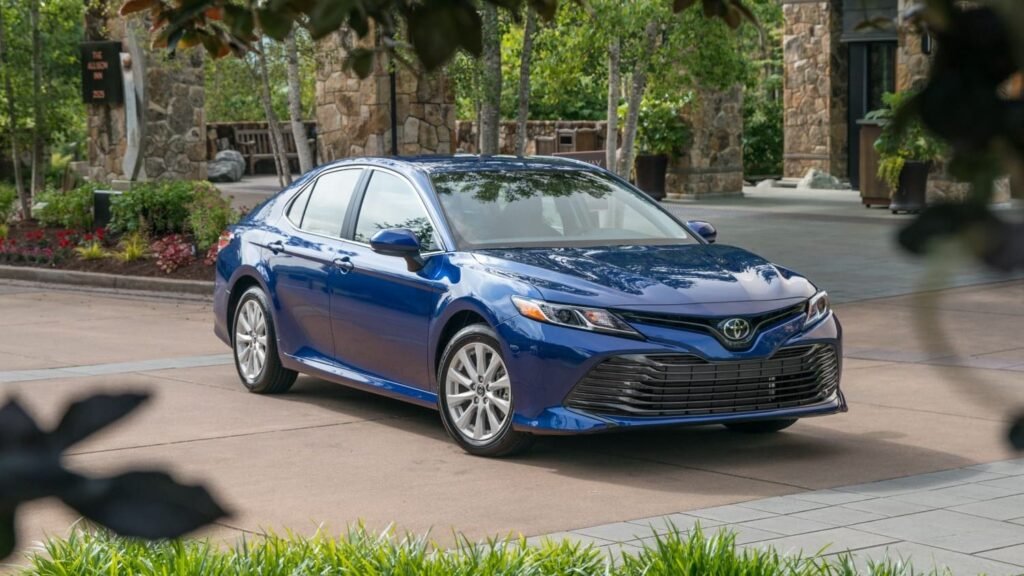
1. Toyota Camry (incl. Hybrid Variants)
famously durable and excellent long-term value, the Camry is the quiet, competent backbone of the used-car market — the kind of car that quietly accumulates miles and almost no drama. Its modern generations pair conservative engineering with sensible refinement, and the hybrid versions add exceptional real-world fuel economy without introducing exotic failure modes; Toyota’s hybrid system has matured into a predictable, low-maintenance package. Aim for 2018–2022 examples for modern safety tech (and excellent value), check for regular service history, and expect common wear items—brakes, tires, cabin bits—rather than headline mechanical failures. If you want a dependable daily that won’t keep you awake at 3 a.m., the Camry is the safe, smart bet.
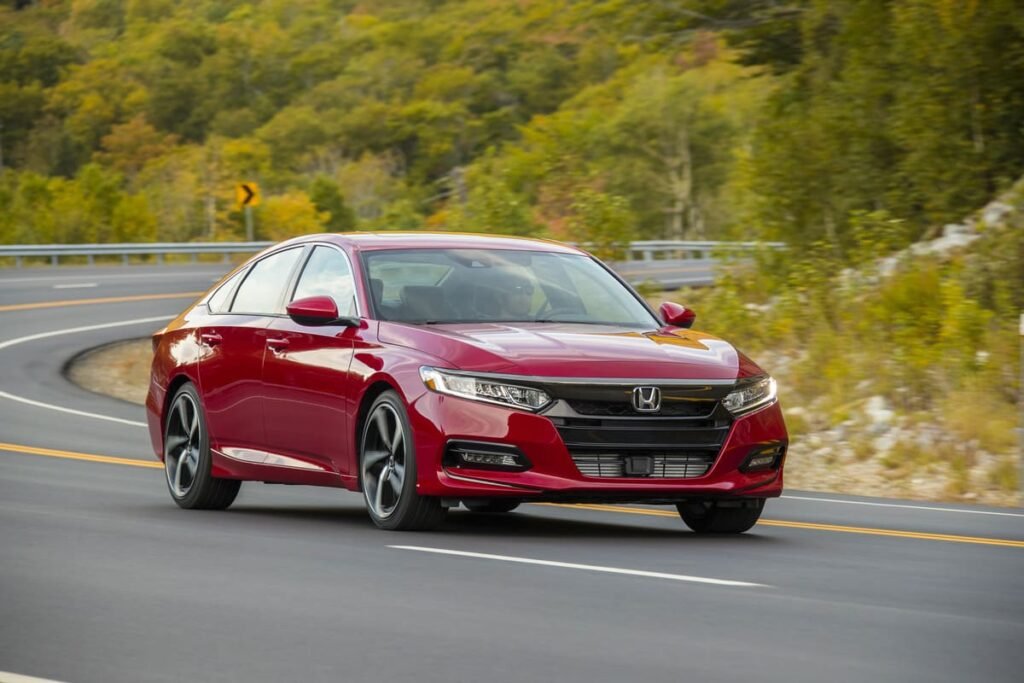
2. Honda Accord (Gas & Hybrid)
You can’t talk about reliable cars without mentioning the Honda Accord. Just like the Camry, it’s a well-rounded ride with strong engines and happy owners.
This grown-up sports sedan is composed, efficient, and mechanically sensible. Modern Accords balance dependable K-series-derived engines (and refined hybrids) with comfortable interiors that don’t pretend to be flashy. Aim at 2018–2022 model years for the best blend of safety tech and proven drivetrains; these years ironed out early-CVT flutters and improved infotainment. When shopping, insist on full service records, verify no outstanding TSBs, and check for evidence of regular transmission/coolant service. A well-kept Accord is a long-term friend — predictable maintenance bills and strong resale make it an exceptionally pragmatic choice.
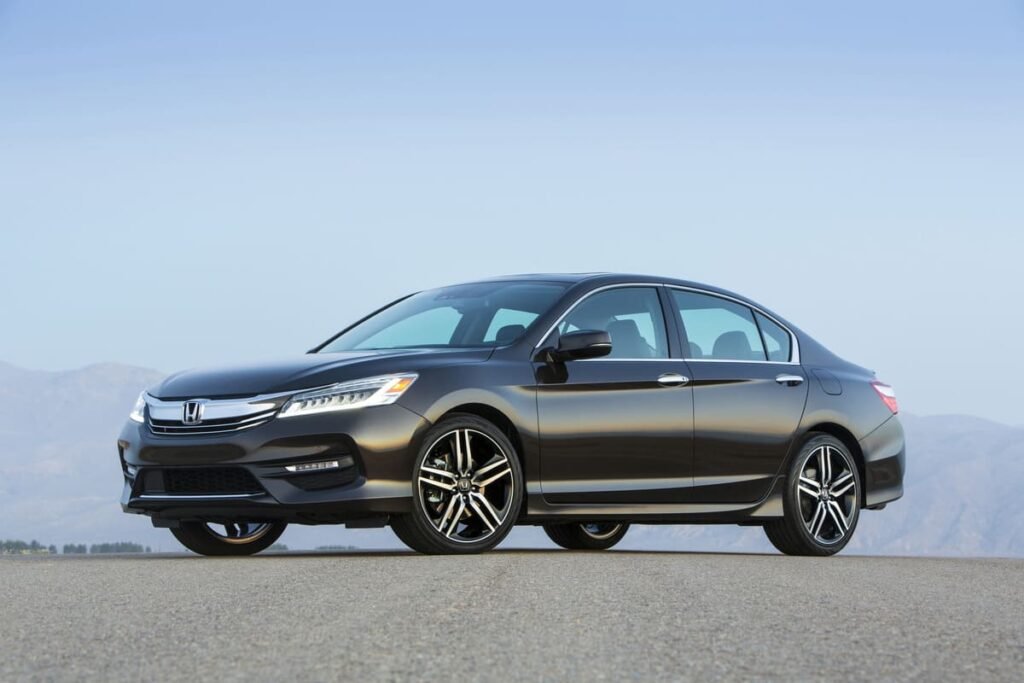
The 2017 Accord is a great pick if you’re after a dependable ride with a naturally aspirated V6 engine. It’s got a classic 6-speed automatic that really handles things nicely. Just keep in mind that it doesn’t have all the safety features you’ll find in the newer tenth generation.
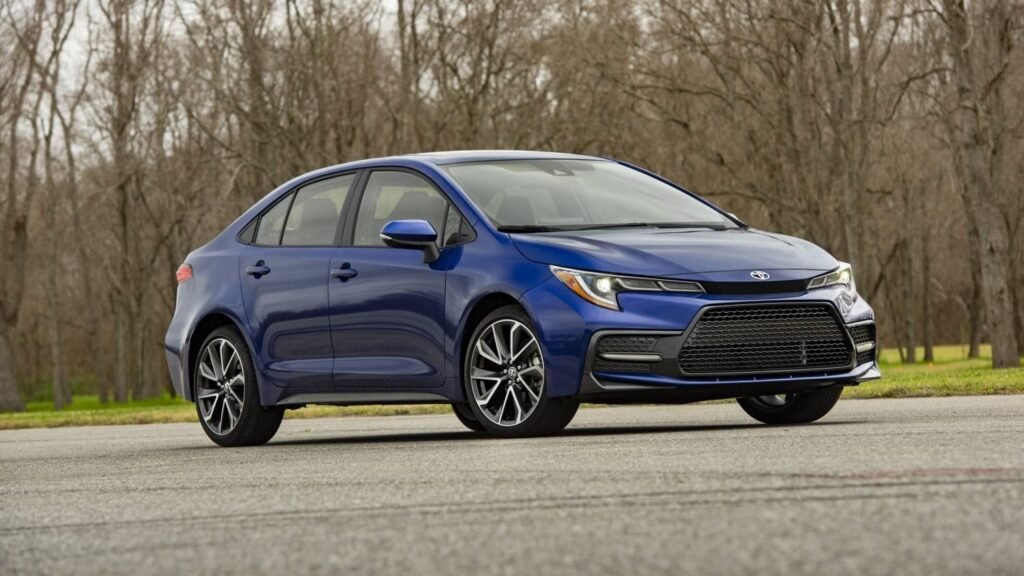
3. Toyota Corolla / Corolla Cross
Low repair costs and ubiquitous parts make the Corolla a reliability staple; great for low-mileage city drivers.
Small, boring, but brilliant: the Corolla’s reputation exists for a reason. It’s cheap to run, parts are everywhere, and the Cross variant adds SUV practicality without stretching the engineering. The 2017–2022 Corolla models are sweet spots — modern infotainment, good fuel economy, and conservative powerplants that rarely surprise. For commuters, the Corolla Hybrid delivers Prius-like economy with a smaller footprint. Watch for cosmetic wear, ensure routine oil/service intervals, and verify tire/wheel condition — these cars are often traded in with high cosmetic but low mechanical issues. If you want trouble-free transport, the Corolla family is hard to beat.
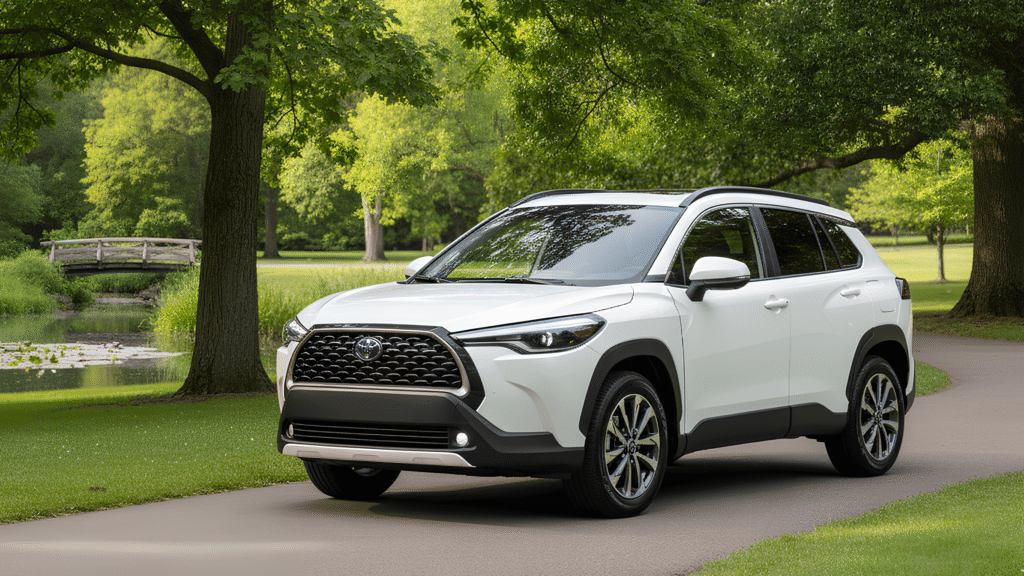
Even though the Corolla Cross hasn’t changed much since it came out in 2022, this model got a perfect score of 98 out of 100 for reliability according to Consumer Reports and people hardly had any complaints about it. On the flip side newer models have gotten a bunch of complaints especially about electrical problems and some annoying rattling sounds.
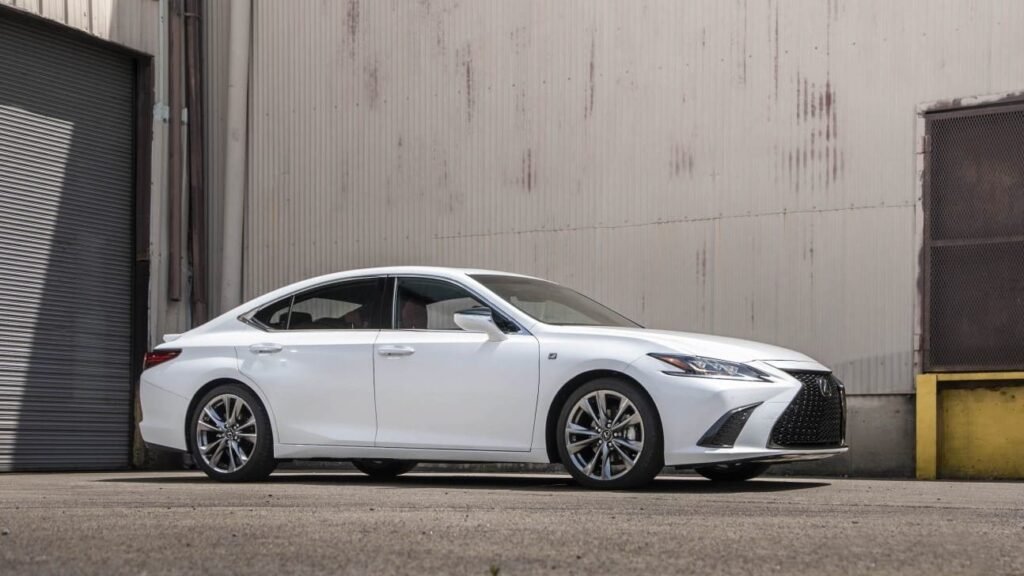
4. Lexus ES / RX
The ES sedans and RX SUVs deliver quiet cabins, refined suspensions, and Toyota-grade dependability with more amenities. Target 2016–2021 examples to get modern safety tech and conservative build quality without the brand-new premium. Pay attention to scheduled maintenance, especially for air suspension (if equipped) on older RXs and the typical wear items—brakes, tires, and cabin electronics. Lexus owners often trade service records and pamper receipts; those papers are gold. Buy one and you’ll get luxury manners with the reassuring dullness of a Toyota under the skin.
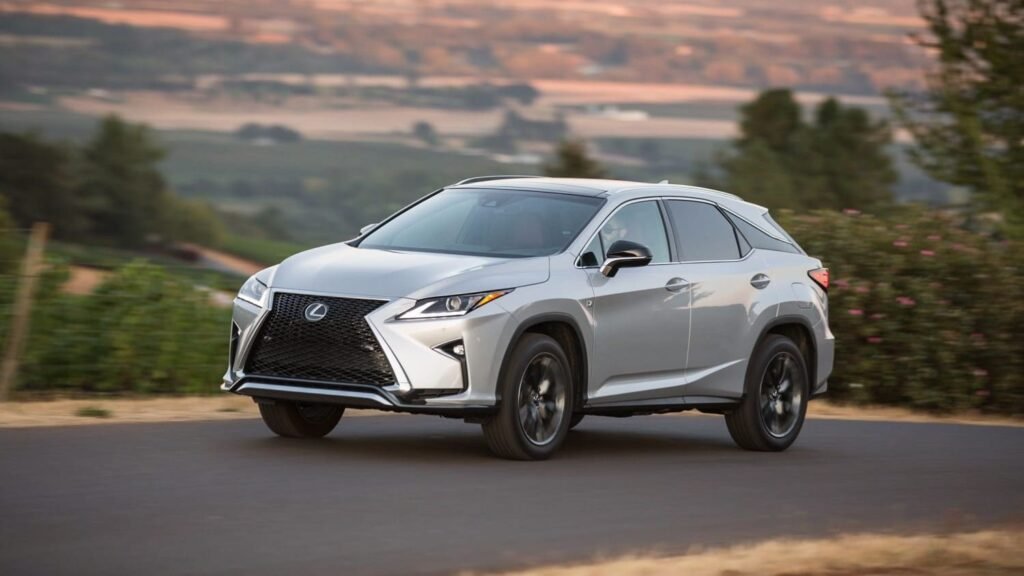
If “luxury that behaves” were a car, it’d definitely have a Lexus badge. Lexus is always at the top of the reliability charts and it’s really not surprising since it’s basically luxury made with Toyota parts.
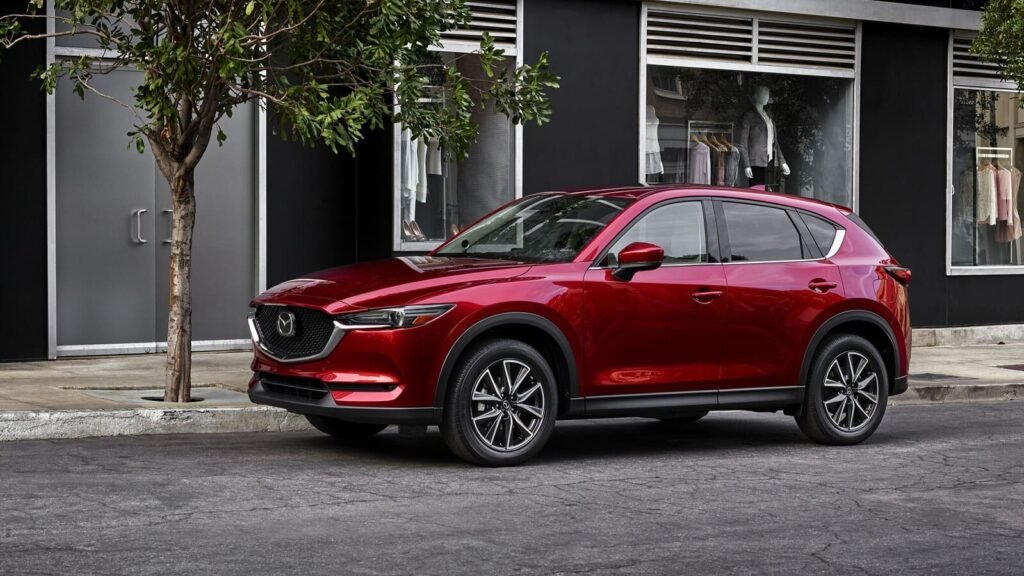
5. Mazda CX-5 / Mazda3
The CX-5 and Mazda3 combine sharp steering, premium interior touches, and surprisingly robust reliability, especially in 2017–2021 models. They reward drivers who want character without weird maintenance surprises. Check for routine oil changes (Mazda’s SkyActiv engines like clean oil), inspect for suspension wear on higher-mile examples, and favor less-track-abused cars. The CX-5 is a balanced compact SUV for people who dislike floaty handling, while the Mazda3 gives you the same driver engagement in a smaller, more efficient package. Both age gracefully and hold value.
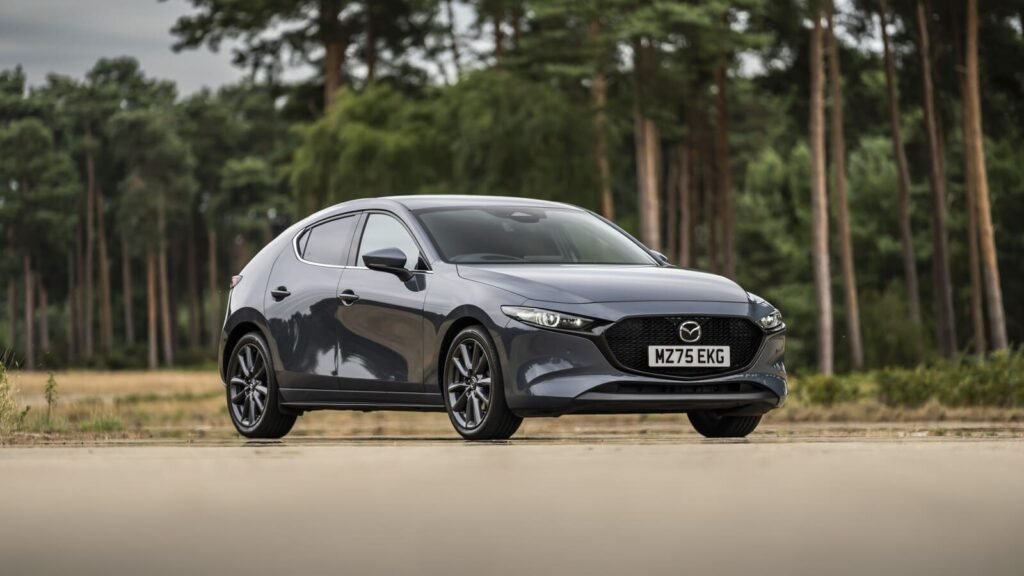
Mazda made “fun-to-drive” a mainstream claim and then actually delivered. They keep ranking high in J.D. Power and RepairPal for reliability while giving you a driving experience that outshines a lot of their competitors.
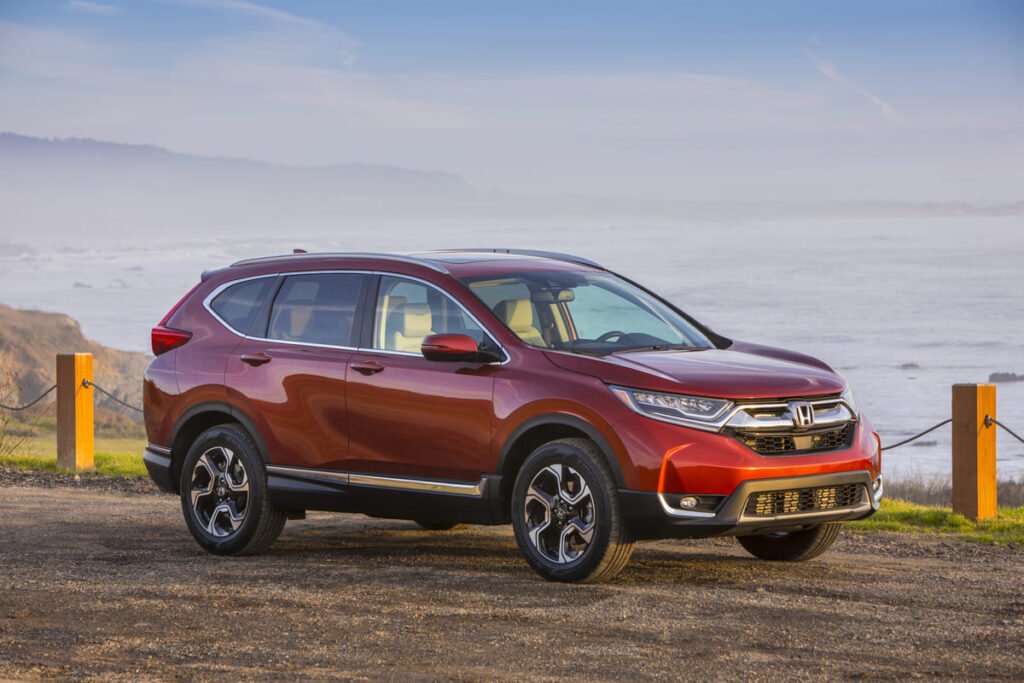
6. Honda CR-V
Honda CR-V is the practical compact SUV everyone forgets to derail by fashion — roomy, efficient, and straightforward to maintain. Look for 2017–2021 models for the sweet balance of modern features and established mechanicals. Early-generation CVT models require attention to service history (fluid changes) and any transmission-related TSBs; otherwise, these trucks are reliable, flexible daily drivers. Inspect the rear hatch for water intrusion and make sure the A/C system and infotainment operate properly — minor electrical quirks are the most common annoyances. For families and commuters alike, a clean CR-V usually means years of reliable service.
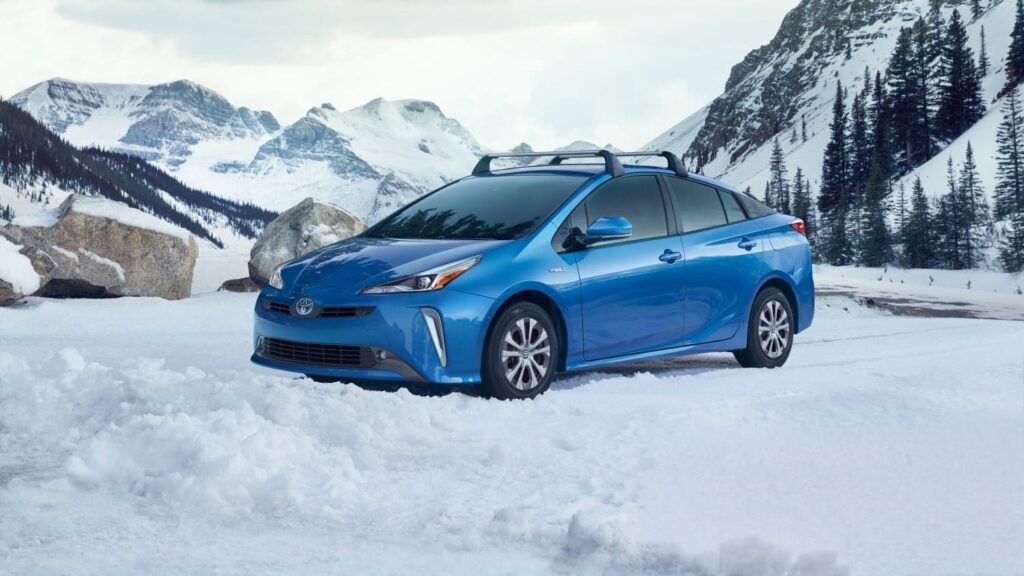
7. Toyota Prius / Prius Prime
Toyota Prius offers exceptional fuel economy and proven hybrid systems;
It’s the reliable workhorse of hybrid vehicles—not fancy but super efficient and trustworthy. From 2016 to 2020, Toyota really nailed down the hybrid controls and battery management, making it a hassle-free option. If you’re shopping for a used one, definitely get a battery-health check and make sure there’s proof of any hybrid-system service done. Keep an eye out for signs of heavy fast charging or any extra use from things like taxis or ride-shares, which isn’t too usual. Also, check that the cabin electronics and HVAC system are working well. If saving fuel and keeping costs down is what you need, a well-cared-for Prius will definitely save you gas without the stress.
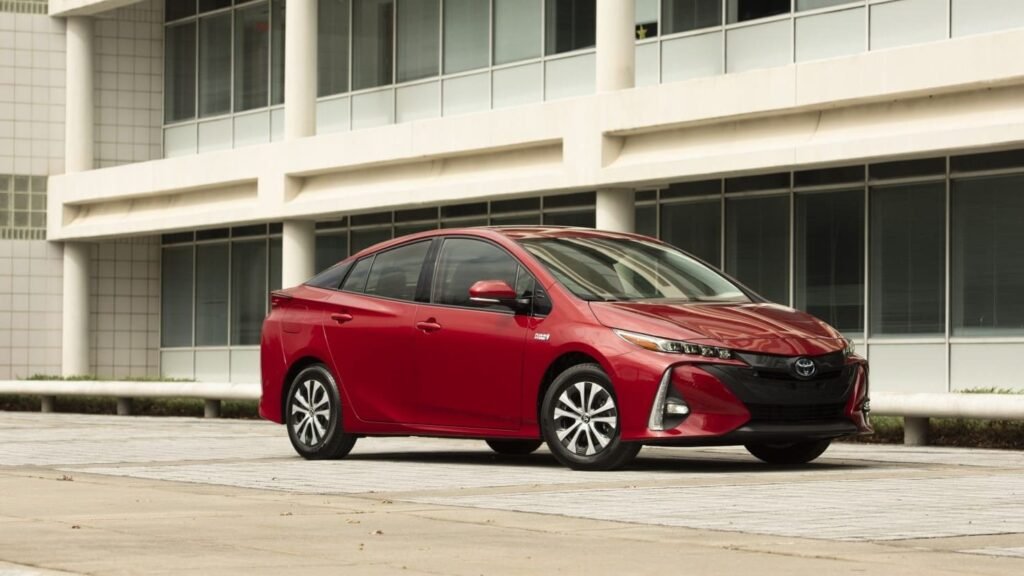
The Prius Prime which got a new name as Prius PHEV in 2025 is a more flexible option with a bigger range and a bit of a different look. It does come at a slightly higher price but both versions are great picks if you’re after a dependable car that’s also good for the planet.
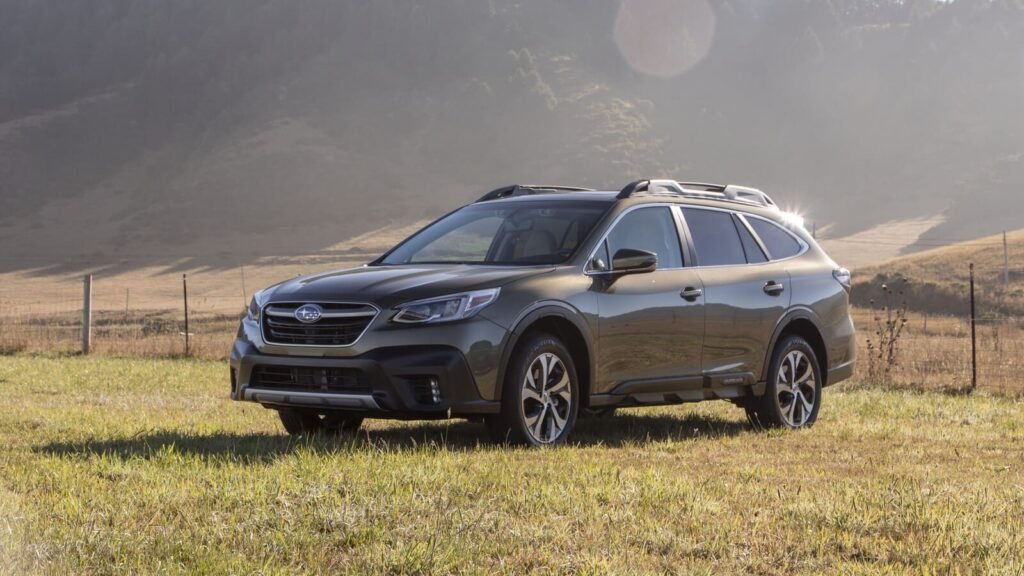
8. Subaru Outback / Forester
Subaru’s AWD DNA is priceless for drivers who live where winter exists or where dirt roads are a daily reality. The Outback and Forester blend safety, practicality, and good owner satisfaction — especially in 2017–2021 years. Typical caveats: check oil-consumption history and older head-gasket notes on pre-2012 boxes, and verify the timing-chain/belt status depending on engine. Inspect underbody corrosion (salt areas), CV boots, and wheel-bearing play. If you need real-world traction and a practical cargo area, a clean Outback or Forester is one of the most sensible, long-lived choices you can make.
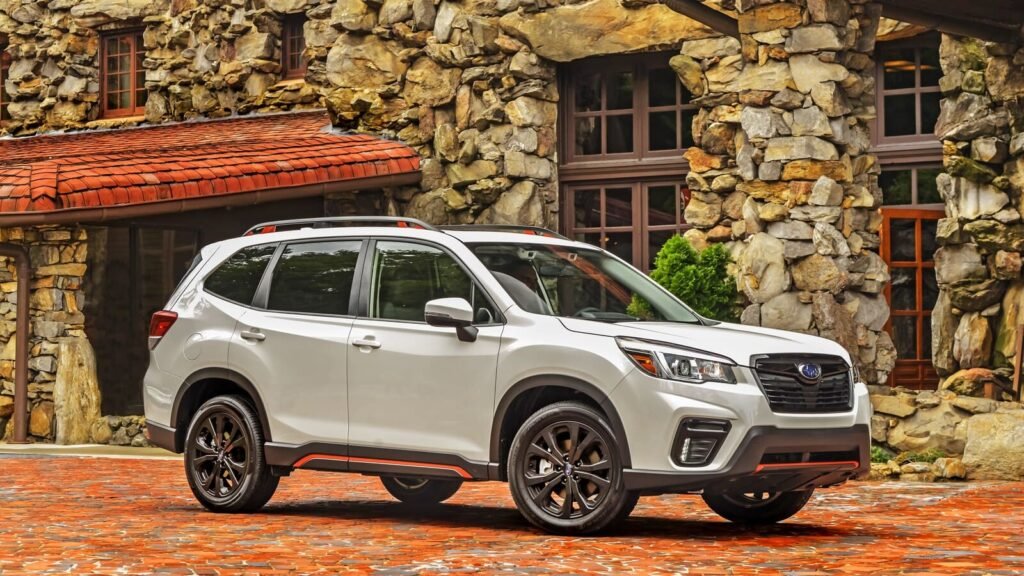
Consumer Reports gives high marks to the Subaru Outback and Forester when it comes to long-term owner happiness, especially for all-wheel drive and safety features. The fifth generation Forester stands out in particular.
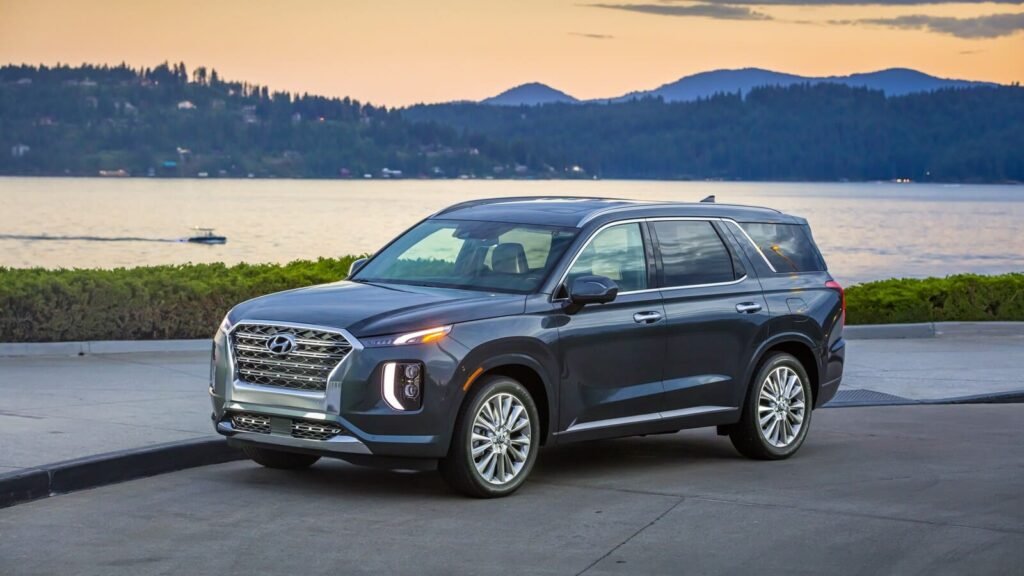
9. Hyundai Palisade / Kia Telluride
These two spacious three-row SUVs really changed the game when it comes to value. They offer nice interiors, sturdy setups, and better long-term reliability. If you’re looking at models from 2020 to 2022, you’ll get the latest tech and the advantage of long factory warranties (just check if they can be transferred on used ones). When you’re shopping around, make sure to check on the scheduled maintenance, look for any signs of wear like bushings or struts, and see if the third row has been used properly by previous owners (think about things like car seats and spills). If you’re after a roomy ride without the hassle of maintaining a German brand, the Telluride and Palisade give you great comfort, good resale value, and satisfied owners all at a pretty fair price.
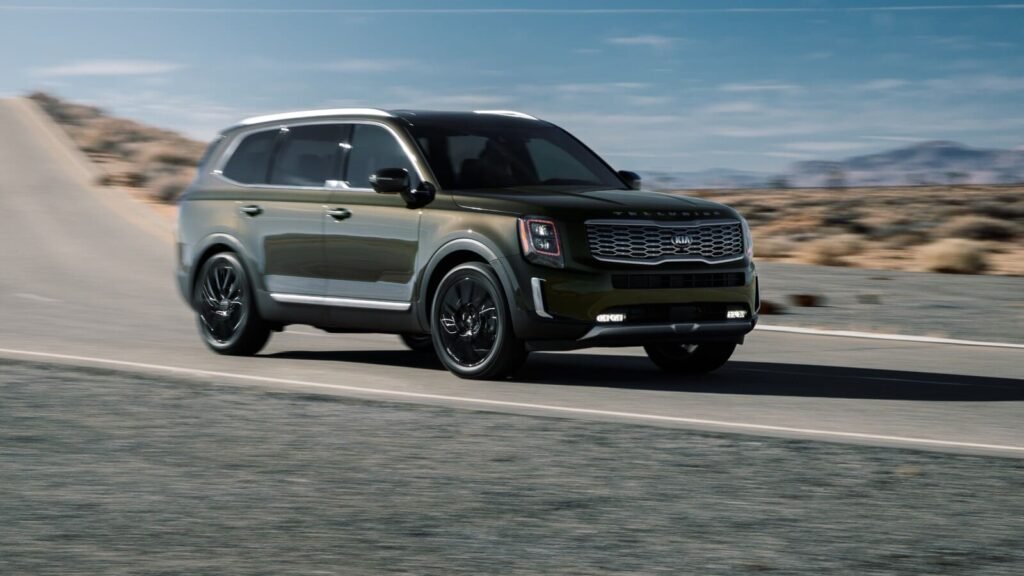
The Hyundai Palisade and Kia Telluride are surprisingly reliable and they’ve got happy owners plus great warranties, which makes them solid picks for big families. Just be sure to check if the warranties transfer over when you’re looking at used ones.
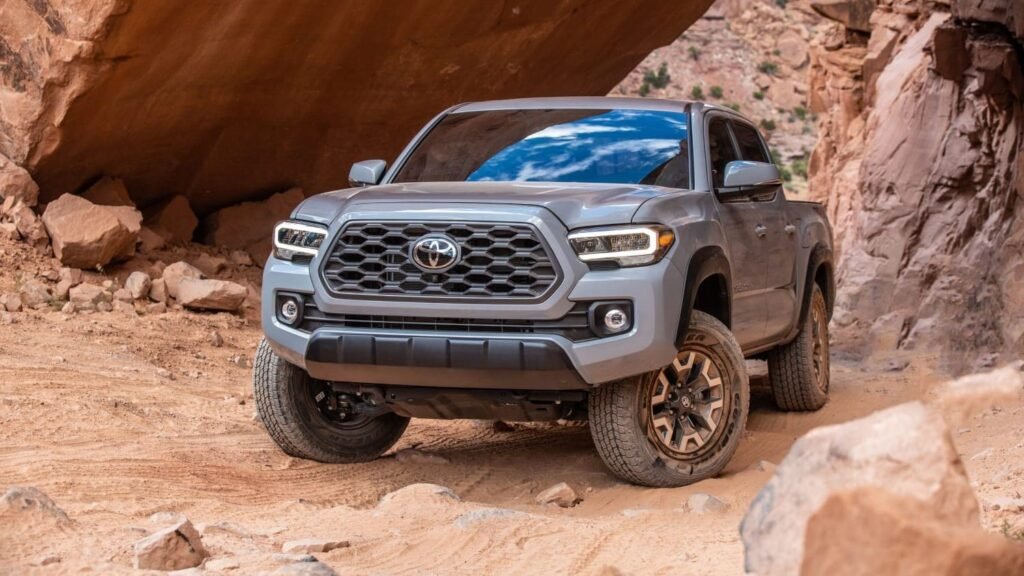
10. Toyota Tacoma
If there was a truck that could be called “made for work and kept forever” it would definitely be the Tacoma. This truck is known for lasting a long time and it truly earns its reputation. If you’re checking out older models, just keep an eye out for any rust on the frame and underbody. These trucks are tough and can take a beating, so they often end up being the last ones a family wants to part with. Look at the 2016 to 2021 models since they mix modern features with reliable engines. Before you buy, make sure to check for rust underneath and on the frame—especially in places where they use salt on the roads. Also, grab any service history if it was used for towing or had a hard life, and check for wear on the suspension if it was a work truck. While Tacomas might not be the cheapest used truck right away, their durability, easy access to parts, and good resale value make them a smart long-term choice for anyone who appreciates a reliable ride.
Comparison Table
| Model | Reliability (J.D. Power / RepairPal / CR) | Typical used price band (approx.) | Ownership note |
|---|---|---|---|
| Toyota Camry | High (Toyota + J.D. Power dependability) | $15k–$30k | Low running costs; hybrid saves fuel long-term |
| Honda Accord | High (RepairPal & Edmunds) | $14k–$30k | Smooth, reliable; check service records |
| Toyota Corolla / Cross | Very high (CR + RepairPal) | $12k–$22k | Parts cheap; ideal commuter car |
| Lexus ES / RX | Excellent (Lexus high dependability) | $18k–$40k | Luxury comfort with Toyota-like reliability |
| Mazda CX-5 / Mazda3 | Above average (J.D. Power/RepairPal) | $13k–$28k | Engaging drive; parts availability good |
| Honda CR-V | High (RepairPal / Edmunds) | $15k–$30k | Rugged, practical; watch CVT service |
| Toyota Prius / Prime | High (CR + Toyota) | $12k–$28k | Hybrid tech proven; battery checks essential |
| Subaru Outback / Forester | Very good (CR high ranks) | $14k–$30k | AWD and safety; check earlier head-gasket items |
| Kia Telluride / Palisade | Growing dependability (RepairPal, owner satisfaction) | $25k–$45k | Big value; warranty history helpful |
| Toyota Tacoma | Excellent (J.D. Power owners/rugged reputation) | $20k–$40k | Lifetime value is strong; check frame/undercarriage |
Note: used price bands above are wide, approximate ranges (depends on trim, mileage, region). Use them as rough shopping buckets and check local listings for current pricing.
3-Year Maintenance & Repair Costs
If you take a look at RepairPal you can get a rough idea of what to expect for yearly repair costs and how often they might pop up:
- Low annual cost group: Toyota, Lexus, Honda — average annual repair cost typically under ~$500–$600.
- Moderate cost group: Mazda, Subaru — higher than mainstream compacts but cheaper than many premium European brands.
- Warranty sweet spot: Kia/Hyundai (if buying a relatively new used vehicle) because of long original warranties and potentially transferable programs — still verify before purchase.
Make sure to set aside some cash for things that need replacing like brakes, tires, and fluid services. Every car owner deals with this stuff no matter what brand you drive.
Read Next…
- Buying a Toyota/Lexus? Don’t miss our Toyota & Lexus recalls article and the emergency callout box for 127K Tundras/Lexus SUVs — important if you’re shopping those models.
- Before you make an offer, run the Pre-Purchase Inspection Checklist — it’s the last sane thing you’ll do before buying.
How To Choose The Right Used Car For You
- Decide your use case: long highway miles? Pick a Prius/Camry hybrid. Towing and hauling? Look at the Tacoma. Family of five? Telluride / Palisade.
- Check local availability: a reliable car is only reliable if parts and service are within reach — check local dealer service capacity and independent specialists.
- Prefer simpler powertrains if you want the lowest running cost: naturally aspirated engines and conventional automatics are often cheaper to maintain than highly boosted or very new hybrid systems (unless warranty remains).
- Verify the vehicle history and recalls: use NHTSA recall lookup and manufacturer VIN services; remember recent Toyota & Lexus recalls (we covered a large engine-debris recall earlier) and confirm remedy work before purchase. (See our Toyota & Lexus recall update and the emergency callout for what to do.)
- Always do a PPI before you buy: even the most reliable make can come from a negligent owner. Use our Pre-Purchase Inspection Checklist to know which items matter most.
Hybrid vs Gas
| Factor | Hybrid (e.g., Camry Hybrid, Prius) | Gas (e.g., Camry non-hybrid, Accord) |
|---|---|---|
| Upfront used cost | Often higher | Often lower |
| Fuel & running costs | Much lower fuel cost | Higher fuel expense |
| Long-term repair risk | Battery/inverter risk (but proven tech) | Simpler systems — fewer exotic parts |
| Warranty help | May be covered for battery (check transfer) | Standard powertrain warranty may be expired |
Tip: If the hybrid battery has a documented warranty or a recent health check, hybrids are an excellent long-term value. Consumer Reports and J.D. Power both show mature hybrid systems have become more dependable.
Shopping Playbook
- Make a short list of 2–3 models that fit your needs from the list above.
- Search active local listings (Carvana, CarMax, Autotrader) and filter by maintenance records and one-owner history. CarMax’s reliability pages are useful for market validation.
- Run VIN checks (Carfax/AutoCheck) and NHTSA recall lookups.
- Arrange a test drive — follow our PPI test-drive script (see Pre-Purchase Inspection Checklist).
- Book a full independent PPI (ask them to include an OBD-II scan and — for EVs/hybrids — a battery SOH report). Don’t skip this.
- Use the PPI results to negotiate — the PPI gives you concrete estimates to request a repair credit, a price cut, or to walk. (See our PPI FAQ pack for the best negotiation lines.)
Final verdict
In 2025 the basic rules still win: choose conservative, well-tested powertrains (Toyota, Honda, Lexus), prefer models with strong owner-service ecosystems (Mazda, Subaru, Hyundai/Kia), and always verify the individual car’s history with a PPI. Follow this plan and you’ll own a car that behaves like an adult — dependable, predictable, and oddly comforting when other people’s cars are being dramatic.
FAQ
What are the most reliable used cars to buy in 2025?
Top dependable picks for 2025 buyers include Toyota Camry (and Camry Hybrid), Honda Accord (gas & hybrid), Toyota Corolla/Corolla Cross, Lexus ES/RX, Mazda CX-5/Mazda3, Honda CR-V, Toyota Prius/Prime, Subaru Outback/Forester, Kia Telluride/Hyundai Palisade, and Toyota Tacoma — all consistently rated highly by J.D. Power, RepairPal and Consumer Reports.
Is buying a hybrid used car in 2025 safe?
Yes — mature hybrid systems (Toyota, Honda) are proven; insist on a battery state-of-health (SOH) check and service records, and prefer cars with remaining battery warranty or documented hybrid-system maintenance.
How many miles can I expect from a reliable used car?
With proper maintenance, many reliable used models (Toyota, Honda, Lexus) regularly exceed 200,000 miles; the key is service history, regular oil changes, and addressing small issues early.
What is the best reliable used car under $20,000 in 2025?
Strong budget choices under ~$20k often include Toyota Corolla, older Honda Civic/Accord models, Mazda3, and well-kept Toyota Prius examples — prioritize documented service history and a PPI.
Should I buy Certified Pre-Owned (CPO) for reliability?
CPO cars add value because they include manufacturer inspection, extended warranty coverage and often roadside assistance — excellent if you want extra peace of mind and can accept a slightly higher price.
How much should I budget annually for maintenance on a reliable used car?
Expect roughly $400–$1,200 per year depending on make, age and driving; Toyotas/Lexus tend to sit at the lower end while European luxury and heavily optioned SUVs trend higher.
How do I check a hybrid or EV battery before buying?
Ask the seller or dealer for a battery SOH report (BMS logs), request recent charging and thermal-management service records, and have a shop run a diagnostic with manufacturer or dealer tools when possible.
Do extended warranties make sense for reliable used cars?
They can — especially for higher-mileage buys or models with expensive component risks (transmission, hybrid inverter). Compare coverage, exclusions, and repair-cost estimates before buying a plan.
Which used SUV is the most reliable in 2025?
Compact choices: Toyota RAV4 and Honda CR-V; midsize/value picks: Kia Telluride and Hyundai Palisade — all rank high on dependability and owner satisfaction when properly maintained.
What pre-purchase checks should I never skip?
Never skip a professional PPI (including OBD-II scan), VIN/title check, recall lookup, and (for hybrids/EVs) a battery health report — use the [Pre-Purchase Inspection Checklist] to convert findings into negotiation leverage.
- Best Car Interior Cleaning Kits: Make Your Cabin Look New

- Which XV70 Camry Year Should You Buy? A Tested Guide
- Magnetic Phone Mounts & Mounts for Thick Cases: That Actually Work!

- Best Wireless CarPlay Adapters for Older Cars
- Best Seat Gap Fillers for Leather Seats
- The Most Underrated Cars — Hidden Gems You Should Actually Consider
*Disclaimer: This website provides automotive content for informational purposes only and should not be considered professional advice. While we strive for accuracy, we do not guarantee the reliability or suitability of any vehicle or product mentioned—always conduct your own research before making purchasing decisions. Additionally, some links on this site are affiliate links, meaning we may earn a commission if you make a purchase, at no extra cost to you.
**When you click on links we might get a small commission on purchases that qualify.