

The SLR McLaren is a unique and fascinating tribute to the partnership between Mercedes and McLaren. Back then, putting the McLaren name on this car helped a lot with its marketing since McLaren’s only street car was the iconic F1 supercar from 1992. So when the SLR came along just as they were wrapping up the F1, it felt like a natural step in their journey of making road-legal cars, this time joined by the powerhouse Mercedes-Benz.
This beauty was crafted in the late 90s and features a front-mid 5.4 to 5.5-litre supercharged V8 engine that delivers supercar speed. We’ll chat more about that later. It has some ridiculously high-end craftsmanship but also tends to be heavier than you’d expect from a supercar. It’s definitely one for collectors. It can be a bit quirky when it comes to maintenance and if you can handle the fuel costs and need for special service, it’s an indulgence that gives you one of the most unforgettable driving experiences from the 2000s.
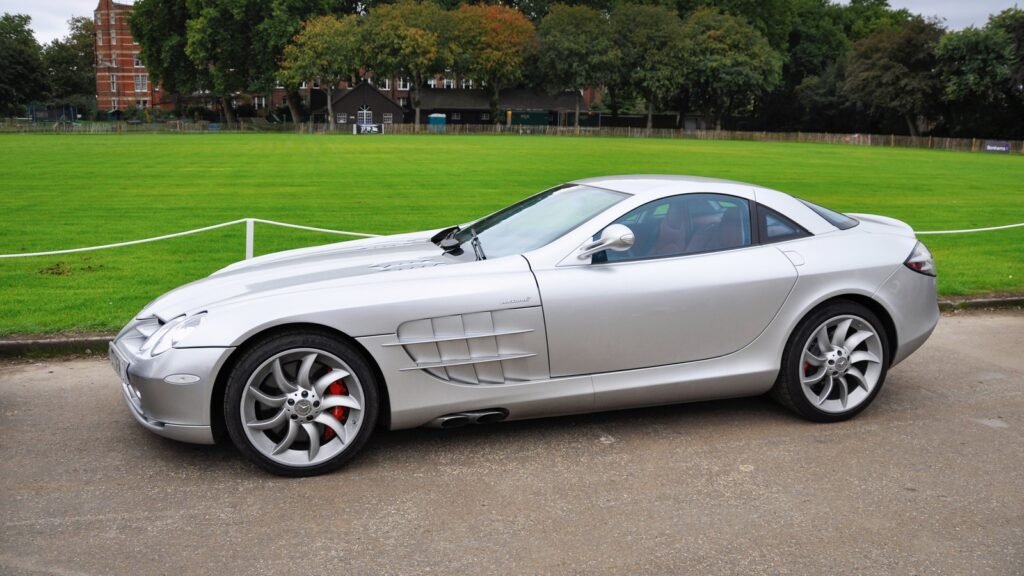
Racing DNA Meets Grand-Tourer Luxury
The SLR, or the Mercedes-Benz SLR McLaren, represents a cool blend of luxury from Mercedes and the racing chops of McLaren. Back in the late ’90s, both brands were dominating the Formula One scene, with cars like the MP4/13 and famous drivers like Mika Häkkinen and David Coulthard leading the charge. It felt like a sure thing that any car sporting both names would carry some serious racetrack cred.
So when Mercedes wanted a road car that would serve as a halo for the brand, it made sense to hand the brief to McLaren’s road-car people — and to one of the era’s most respected designers, Gordon Murray, who is credited on the SLR program.
What happened next was pretty telling: Murray naturally leaned towards creating a light and nimble sports car, while Mercedes pushed for more comfort with features like soundproofing and a plush interior that their customers wanted. The outcome? A gorgeous but somewhat hefty grand tourer that showed off a blend of racing spirit and luxury style. It’s a great reminder that top-notch engineering can sometimes mean making some compromises.
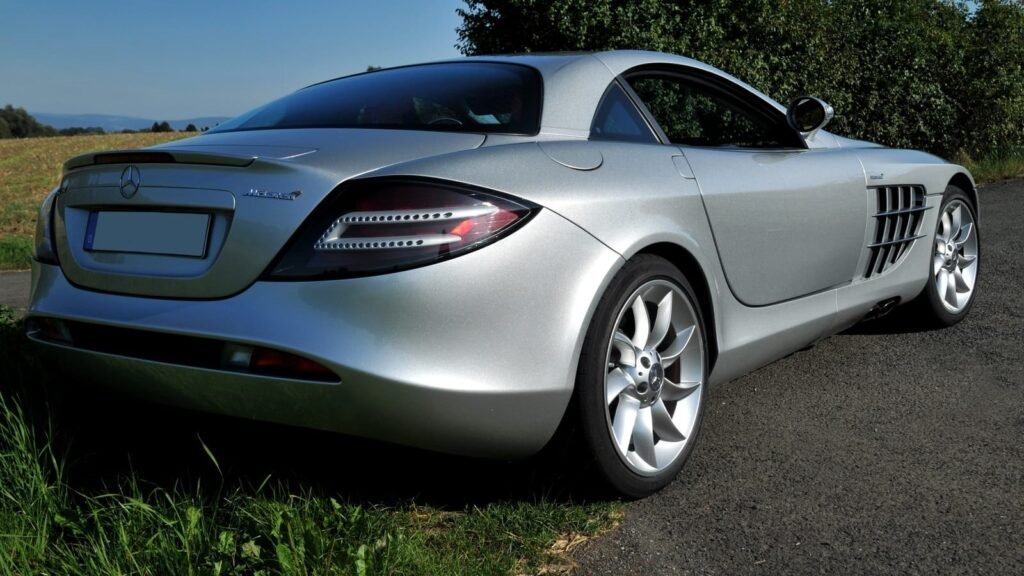
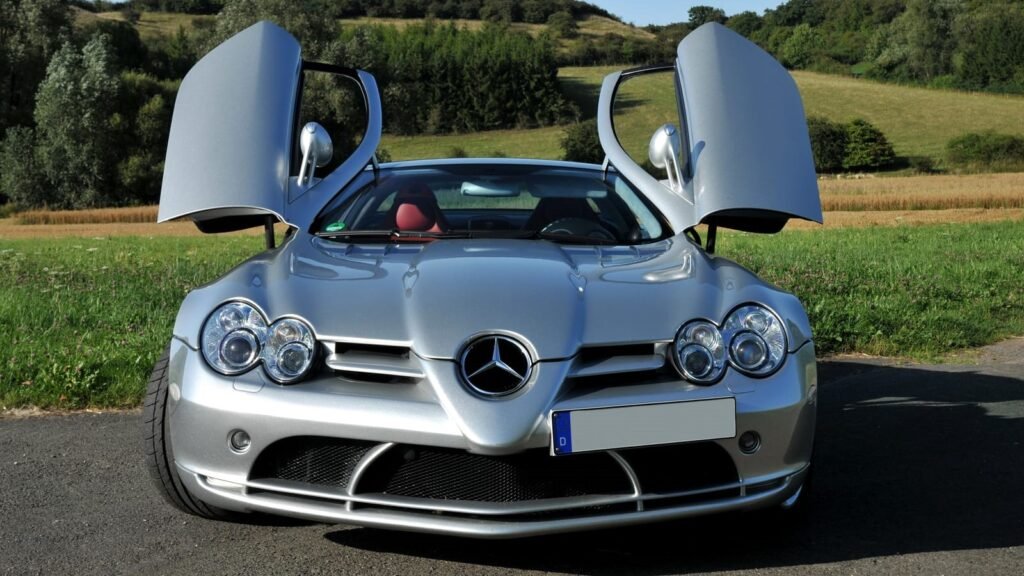
The SLR isn’t just famous for its impressive performance; it’s also interesting in how it achieved that. With a large-scale carbon-composite body and a hand-made engine, all wrapped in a retro style that gave a nod to the classic 1955 300 SLR, it stands out. Plus, with limited production runs by today’s standards, the SLR finds itself in a unique spot—not quite a hypercar for collectors, but definitely more than just an everyday GT.
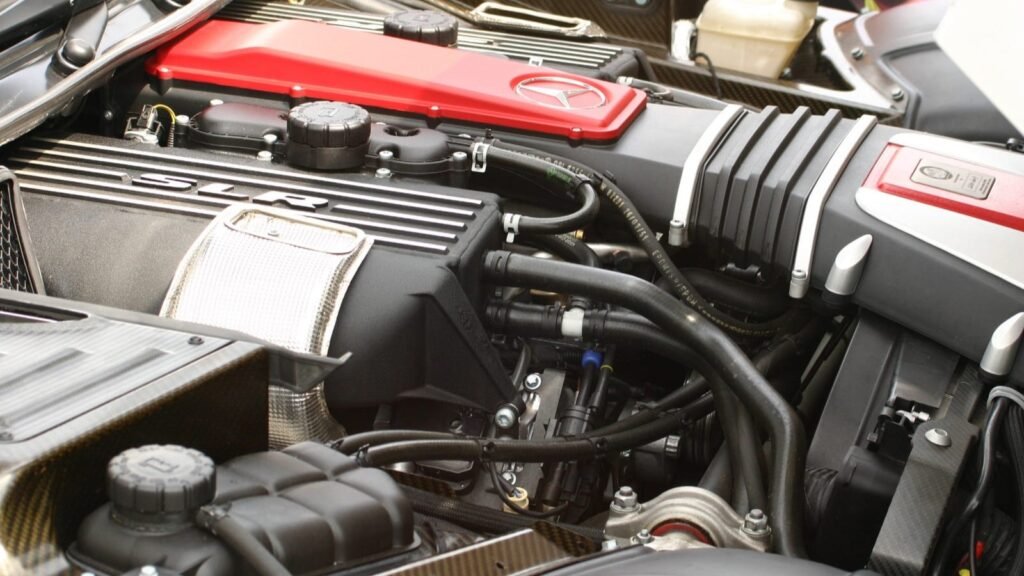
Specs
- Engine: supercharged 5.4-5.5 L V8 (M155 SLR family).
- Power: standard SLR ≈ 617 PS (~608–617 hp depending on source); 722 and Stirling Moss specials up to ~650 PS.
- 0–60 mph: low-3-second territory for the specials (≈3.4–3.7s depending on variant).
- Top speed: around 208–217 mph depending on model and gearing.
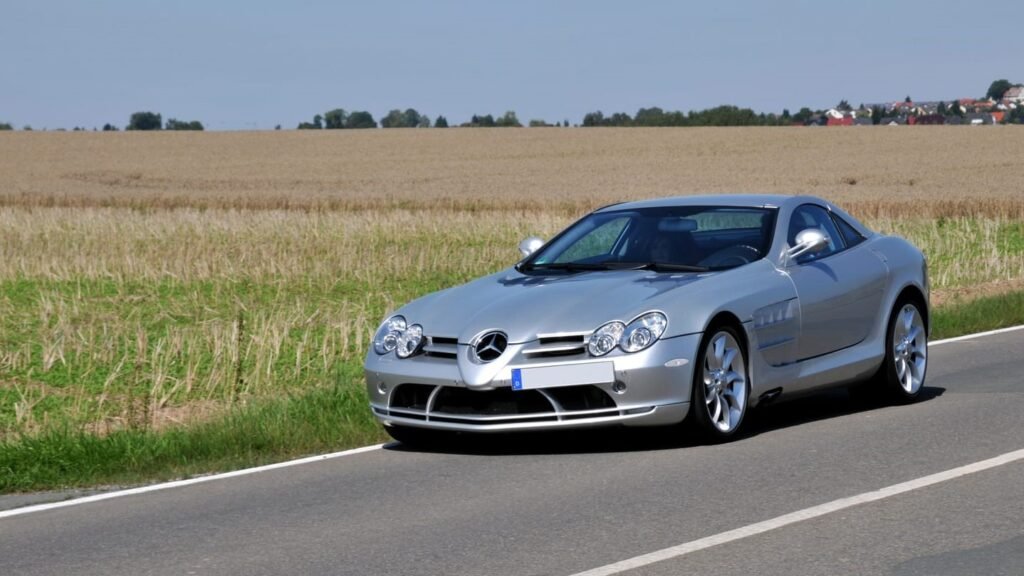
The driving experience
When Mercedes rolled out the SLR, they could’ve just slapped a badge on another V8-GT and called it a day. But instead, they decided to hand off all the engineering and production to McLaren. It’s like two different companies had their own ideas and tried to make them work together: Mercedes wanted a plush showpiece, while McLaren was all about that racing spirit. The end product is kind of a mixed bag—a fancy, well-equipped GT that feels like a heavy supercar. It’s like a race team tried to squeeze a comfy sofa into a sports car and mostly pulled it off. They launched it in 2003, the roadster was gone by 2009, and the last coupés wrapped up in 2010. They made about 2,100 to 2,200 of them, all pretty rare.
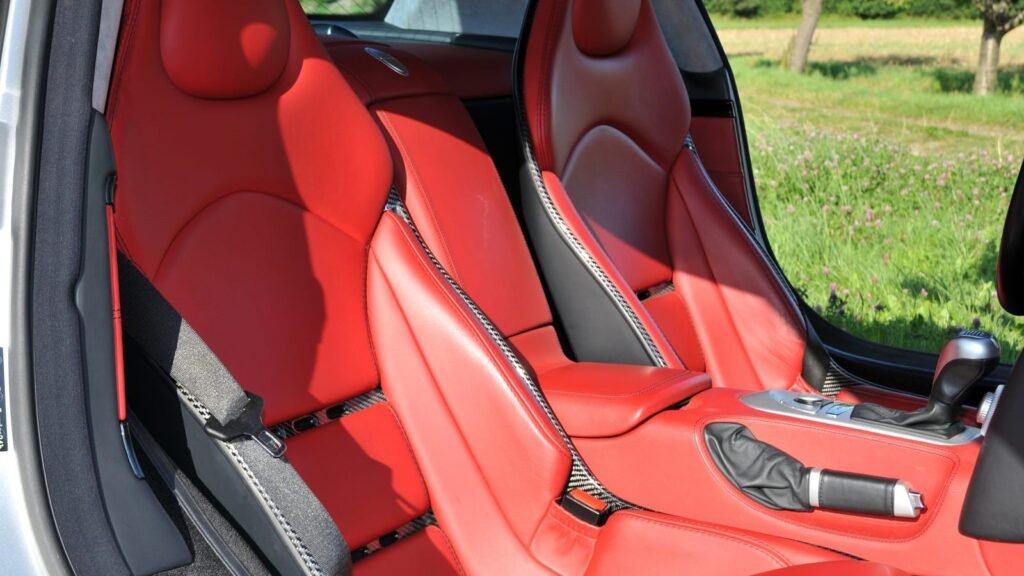
Once you hop in, it gives off classic grand tourer vibes: spacious cabin, rich leather, a big steering wheel, and those striking long aluminum lines that make you feel like you’re driving a torpedo. But hit the gas and that supercharged V8 can really push you back in your seat. The SLR had some seriously impressive acceleration and top speed for its time—loud and in-your-face. The engineers moved the engine towards the back for better weight distribution, but with the car weighing nearly two tons, it leans more toward the GT side of things: quick and solid but not as agile as a modern lightweight hypercar.
Just a heads-up: be ready for some serious fuel guzzling, expensive brake and tire costs, and a car that really likes a warm-up before you start pushing it hard on the turbo—pretty standard for high-performance, hand-built engines from back in the day.
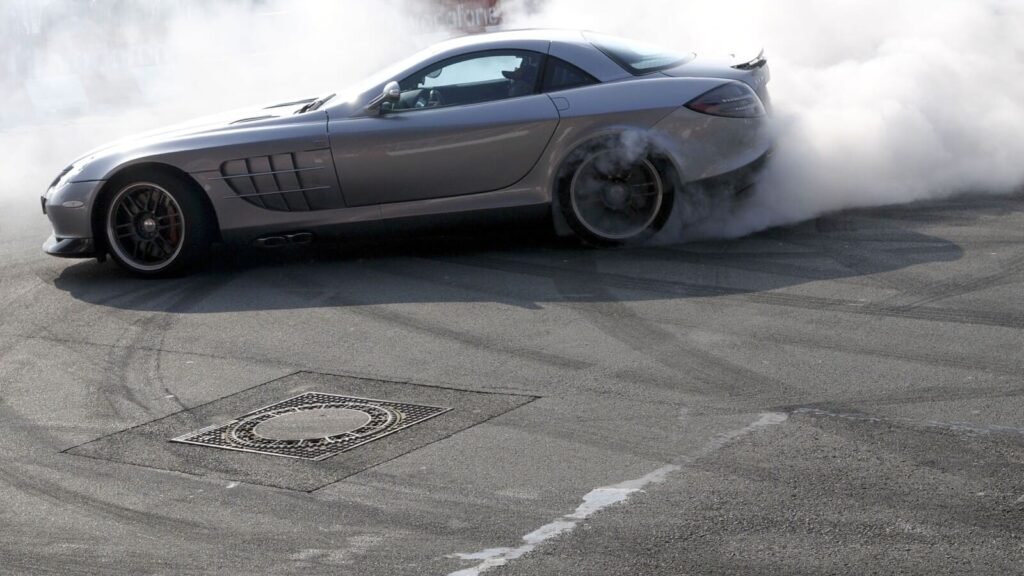
Notable variants
- Standard SLR (C199) — the baseline, already a statement in chrome and carbon.
- SLR 722 Edition (2006) — named after Stirling Moss’s 1955 Mille Miglia start time, this was a performance-tuned special with about 650 PS depending on tune, revised suspension, brakes, and cosmetic cues. Only a small run was made and it’s one of the more sought-after SLRs.
- SLR Stirling Moss (2009) — the ultimate send-off: open-top, no windscreen, about 75 units built. It’s theatrical, outrageously expensive when new, and now one of the rarest factory SLR variants. If you want the car that reads its own press release in Haiku, this is it.
Reliability, maintenance & running costs
This isn’t your average BMW 3-series that you can just take to the dealer for an easy service. When this car hit the market, it was twice the price of a Ferrari 550 Maranello, so don’t be surprised if the cost of service matches that. Here are some important things to know:
- Specialist service: SLRs require Mercedes/AMG-level parts, often bespoke items assembled by hand. Expect specialist technician rates and longer lead times for parts.
- Consumables: brakes and tyres are high-performance fitments; replacement is expensive and frequent if you drive spiritedly.
- Depreciation / insurance: shockingly high initial depreciation (relative to purchase price) was the norm in the first decade; however, rarity and special editions have seen certain values rebound. Current market is much healthier for clean, documented examples.
Practical tip: ask for a full service history and evidence that any SLR has been run regularly (short trips and long idles are lethal to big supercharged engines). Watch for snapped hydraulic lines, electronic oddities from climate control modules, and corrosion in hidden aluminium seams on older cars.
Buying advice & Ownership outlook
Early SLRs depreciated hard after launch (the market in the late-2000s punished expensive GTs). But scarcity and a modern nostalgia wave have stabilized prices. Special editions—especially limited runs like the Stirling Moss—are the ones that appreciate or at least hold value best. If you plan to buy and hold, buy a documented, low-mileage special. If you plan to drive it hard and love it to bits, budget accordingly — these cars are happiest on open roads and in the hands of an owner who accepts high running costs.
- Service records: non-negotiable. If the car lacks a documented specialist service trail, walk.
- SMOKE / startup behavior: blue smoke at start or heavy oil smoke under load suggests oil control or turbocharger (supercharger) oiling issues — both expensive to diagnose and fix.
- Suspension and subframe: look for repaired accident damage (SLRs were flash-and-flare cars and sometimes abused). Carbon-composite panels are costly to repair.
- Variant provenance: 722 Editions and Stirling Moss cars are worth paying for if pristine; they carry collector premiums and are rarer. Confirm VIN and build sheets carefully.
If you need to negotiate the price, look at any service issues, signs of hard use on the track, or missing original parts to help your case. And keep in mind that a “cheap” SLR is less pricey for a reason.
Here is a quick pre-purchase checklist:
- Full stamped service history from Mercedes/AMG/McLaren specialist.
- Recent compression/leakdown test results.
- Evidence of regular long runs and recent oil changes.
- Inspection for accident repairs and paint matching on panels.
- Condition of tyres, brake discs, and calipers; request pad thickness.
- Confirm VIN/build sheet matches claimed variant (722, Stirling Moss, etc.).
- Check for known recalls and whether they’re completed.
- Roadtest with technician if possible (listen for whine/knock on startup and at full load).
- Budget for first-year ownership costs (service, tyres, insurance).
- Confirm availability of spares and estimated lead times.
Final verdict
Pros:
- Magnificent engine character and soundtrack.
- Unique styling that still turns heads.
- Limited production — collectible pedigree.
Cons:
- Very heavy for the class; not the nimblest supercar.
- Expensive maintenance and parts; specialized servicing required.
- Fuel-guzzling and wallet-punishing consumables.
The SLR McLaren is a stunning mix of beauty and quirks. It’s a fancy grand tourer that can keep up with supercars and feels like a race car made just for you. Sure, it might not be the lightest or most straightforward ride out there but it’s definitely one of the most unique and exciting cars from the 2000s. If you’re looking for something that turns heads and makes a statement, this car will definitely get people talking. Plus, if you pick the right one, it could be a solid investment down the line.
Check out our latest posts below for reviews on cars and classic cars plus accessories or just head on over to our homepage.
- Best Car Interior Cleaning Kits: Make Your Cabin Look New

- Which XV70 Camry Year Should You Buy? A Tested Guide
- Magnetic Phone Mounts & Mounts for Thick Cases: That Actually Work!
- Best Wireless CarPlay Adapters for Older Cars
- Best Seat Gap Fillers for Leather Seats
- The Most Underrated Cars — Hidden Gems You Should Actually Consider
*Disclaimer: This website provides automotive content for informational purposes only and should not be considered professional advice. While we strive for accuracy, we do not guarantee the reliability or suitability of any vehicle or product mentioned—always conduct your own research before making purchasing decisions. Additionally, some links on this site are affiliate links, meaning we may earn a commission if you make a purchase, at no extra cost to you.